FSC Certification
Understanding FSC Certification: A Guide for Wood Buyers and Producers
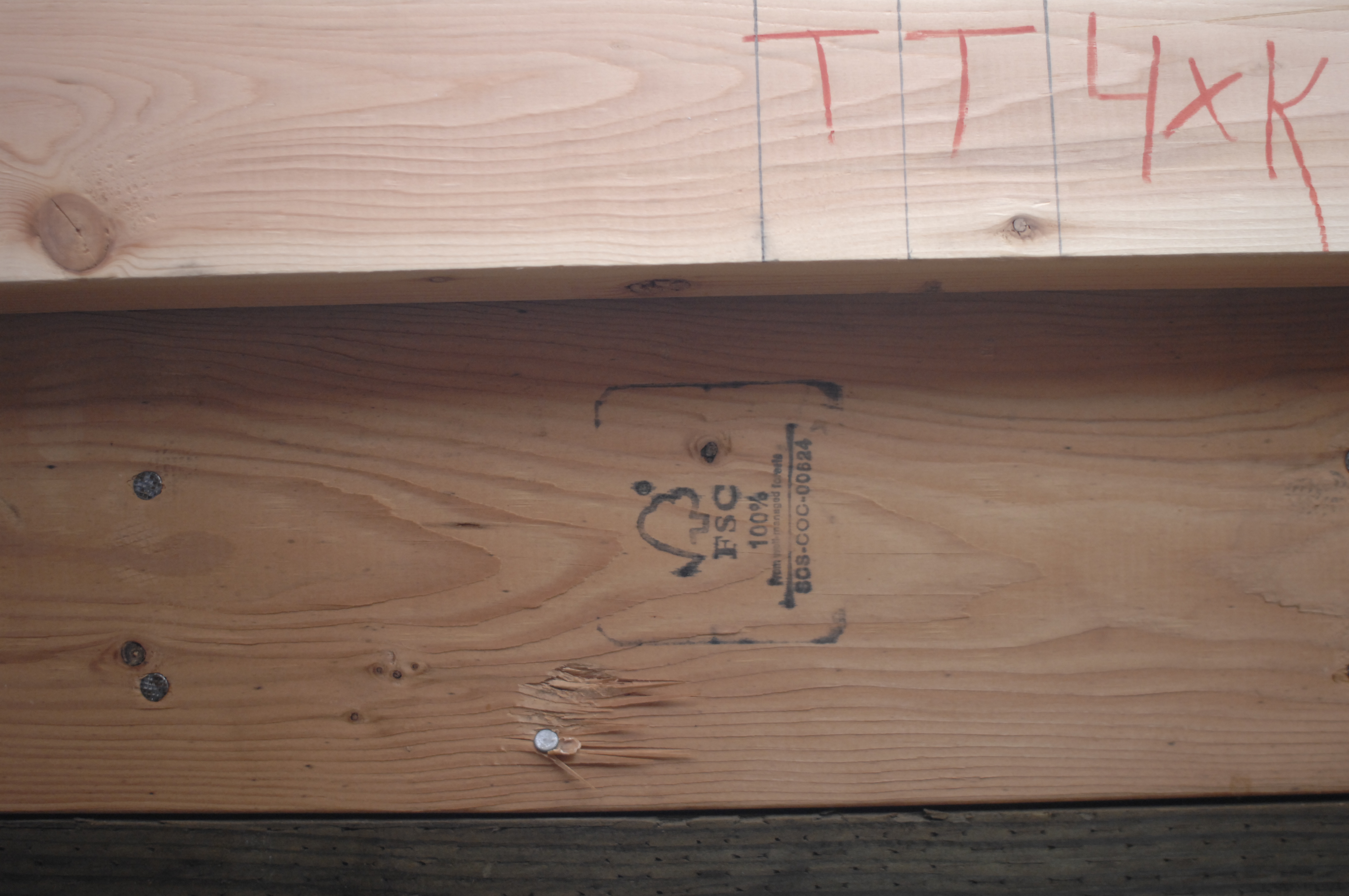
The Forest Stewardship Council (FSC) operates one of the world's most widely recognised forest certification systems. Founded in 1993 and headquartered in Bonn, Germany, FSC sets international standards for responsible forest management and certifies companies that can demonstrate unbroken custody of certified material through the supply chain.
For buyers specifying timber, paper, or wood-based panels, FSC certification offers a mechanism for demonstrating that purchased materials originate from forests managed according to defined environmental, social, and economic criteria. This guide explains the two main types of FSC certification, how they work in practice, and what they do and do not guarantee.
Forest Management and Chain of Custody
FSC operates two distinct certification types that work together:
- Forest Management (FM) certification applies to individual forests or forest management units. It assesses whether the forest owner or manager complies with FSC's ten principles and associated criteria, which cover biodiversity, workers' rights, indigenous peoples' rights, ecosystem services, and forest management planning.
- Chain of Custody (CoC) certification applies to companies that process, manufacture, or trade products containing material from FSC-certified forests. A valid CoC certificate is required before a business can label its products with the FSC trademark.
A forest manager with an FM certificate can sell timber as FSC certified. For that timber to carry an FSC label on finished products sold to end customers, every company in the supply chain between the forest and the final product must hold a valid CoC certificate.
FSC Product Labels
FSC uses three distinct on-product labels, each communicating different information about a product's certified content:
- FSC 100% — All wood or fibre in the product comes from FSC-certified forests.
- FSC Mix — The product contains a mixture of FSC-certified material, recycled material, and/or material controlled under the FSC Controlled Wood standard.
- FSC Recycled — All wood or fibre in the product is reclaimed material, either pre-consumer or post-consumer.
The FSC Mix label is the most common in practice because most industrial supply chains blend material from multiple sources. A product carrying FSC Mix does not imply that all its content is from certified forests; it means that the certified and controlled portions meet minimum percentage thresholds set by FSC.
Controlled Wood
FSC Controlled Wood is not the same as FSC-certified wood. It is a risk-based standard that allows certificate holders to include non-certified material in FSC Mix products, provided that material does not come from sources that FSC defines as unacceptable. These excluded sources include illegally harvested wood, wood from areas where civil or traditional rights are violated, forests converted to plantations or non-forest use, and forests where genetically modified trees are planted.
Companies sourcing controlled wood must conduct due diligence assessments of their supply regions. The standard is designed to give buyers confidence that non-certified material blended into FSC Mix products at least avoids the most problematic sourcing categories.
How FSC Certification Works in Practice
FSC does not certify companies directly. Certification is carried out by independent certification bodies accredited by Assurance Services International (ASI). In Germany, accredited bodies active in timber certification include Bureau Veritas, SGS, and others. These bodies conduct initial assessments, issue certificates, and carry out annual surveillance audits.
A CoC certificate includes:
- The certificate code, which follows the format XX-CoC-XXXXXX
- The legal name and address of the certificate holder
- The product scope covered by the certificate
- The certificate validity dates
- The name of the certifying body
Certificates can be verified through the FSC certificate database, accessible at info.fsc.org. Searching by company name or certificate code returns the current status, product scope, and audit history.
FSC in Germany
Germany has a long history with forest certification. FSC Germany (FSC Deutschland) was established as a national initiative and manages national consultations on FSC standards. Germany's forests are among the most studied in Europe; the Federal Ministry of Food and Agriculture (BMEL) publishes regular national forest inventory data through the Bundeswaldinventur.
Private forest owners in Germany are represented by organisations such as AGDW (Die Waldeigentümer), while state forests are managed at Länder level. Both private and public forests can hold FSC forest management certificates.
The German construction and furniture sectors are major consumers of certified timber. Public procurement guidelines in Germany increasingly reference FSC or PEFC certification as a means of satisfying legal due diligence requirements under the EU Timber Regulation (EUTR) and its successor, the EU Deforestation Regulation (EUDR).
What FSC Certification Does Not Guarantee
Certification schemes have boundaries that buyers should understand:
- FSC certification verifies compliance with the standard at the time of the audit. It does not guarantee that every tree in a certified forest was harvested according to the standard; compliance is assessed through sampling during audits.
- An FSC Mix label does not mean that all material in the product comes from certified forests. It means the certified portion meets minimum percentage requirements and the remainder qualifies as controlled wood.
- Certificate status can change. A certificate may be suspended or withdrawn following a non-conformity found during an audit. Buyers relying on certification claims should periodically re-verify supplier certificates through the FSC database.
Further Reading
For detailed information on FSC standards and the certification process: